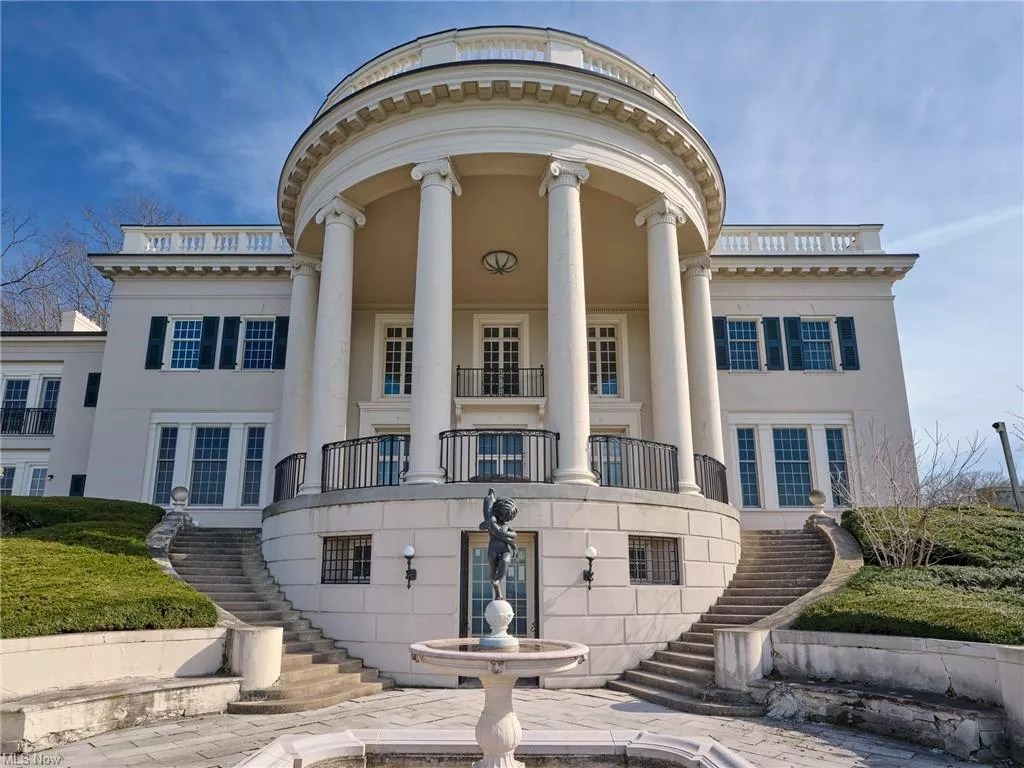
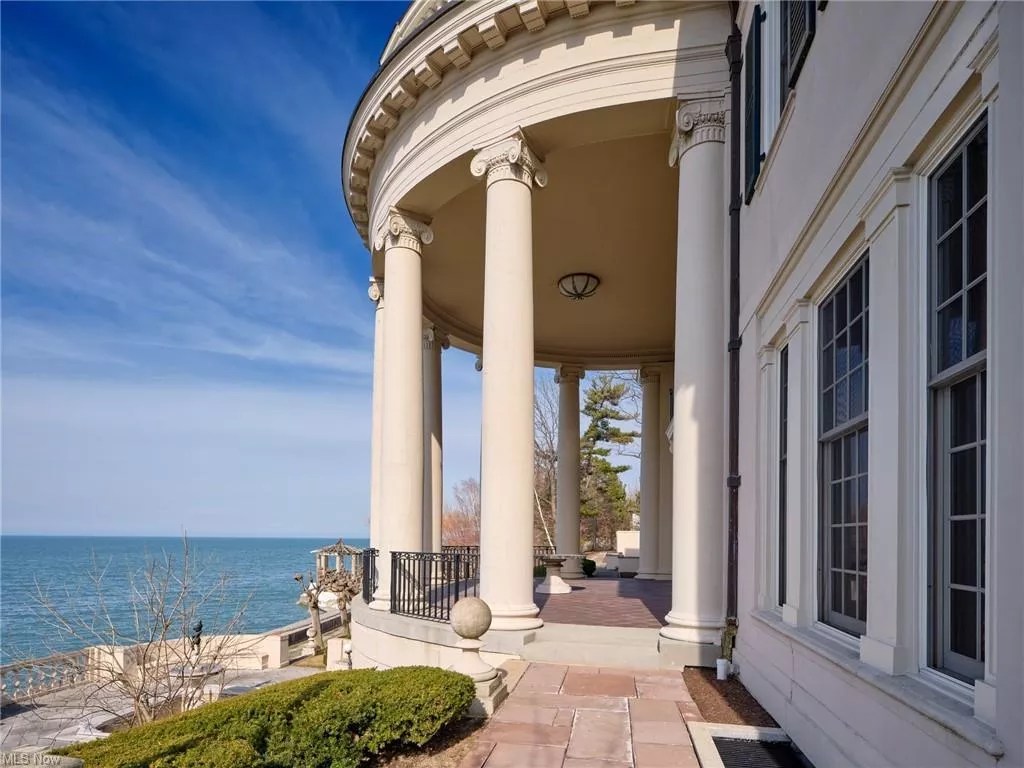
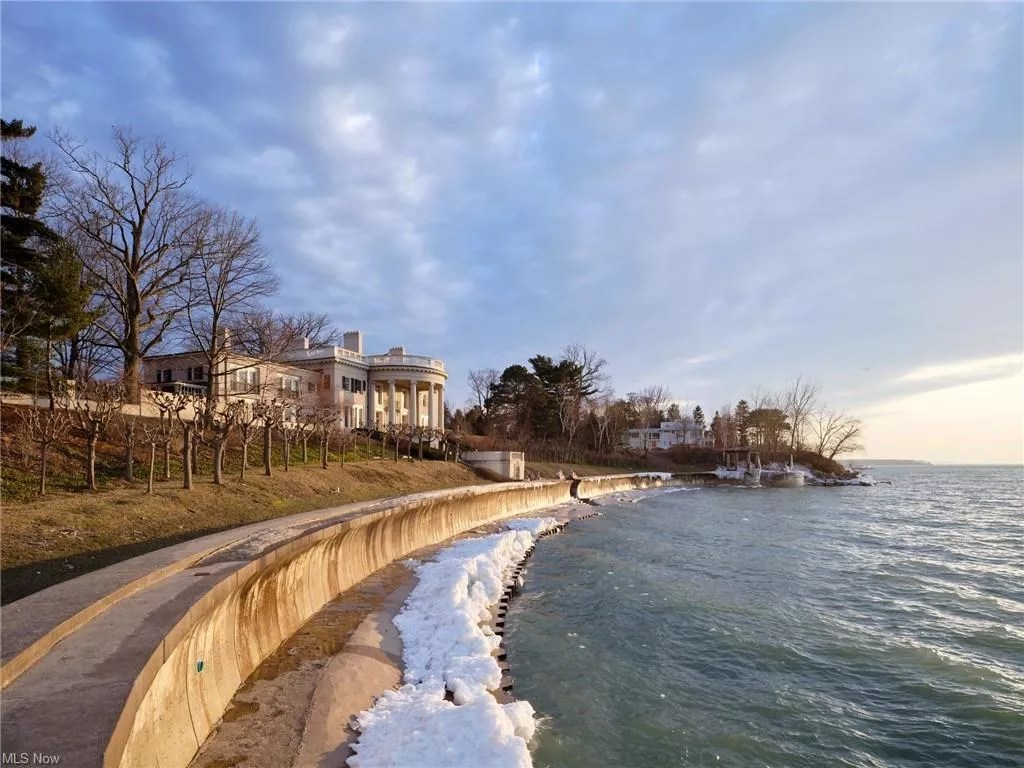
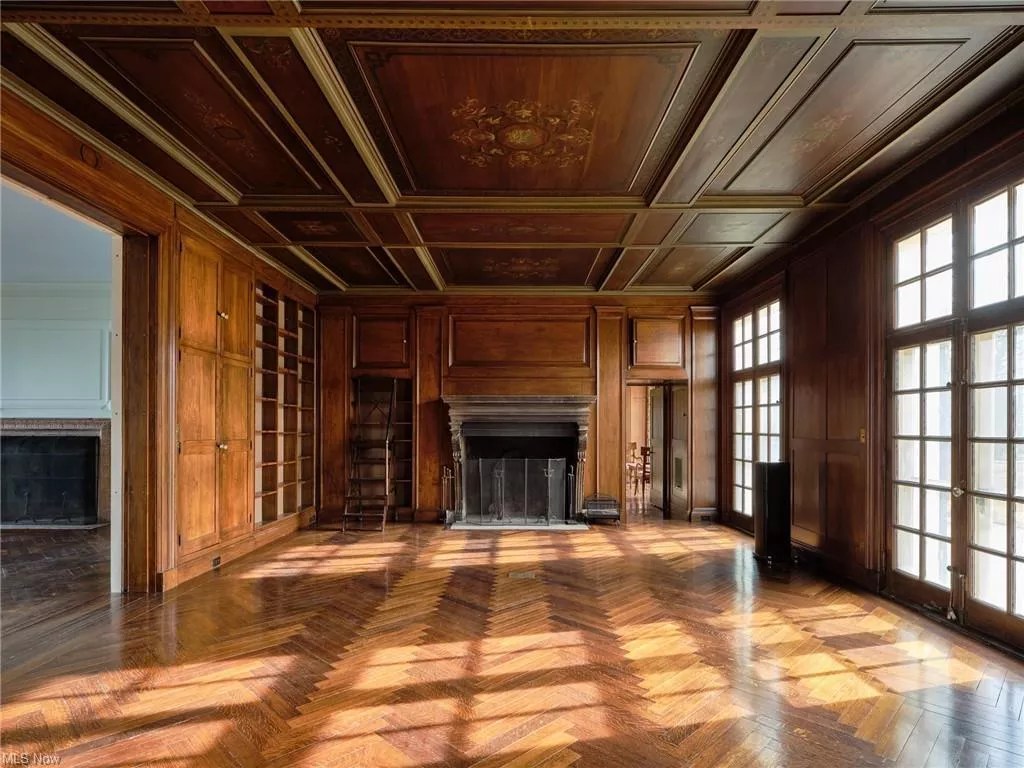
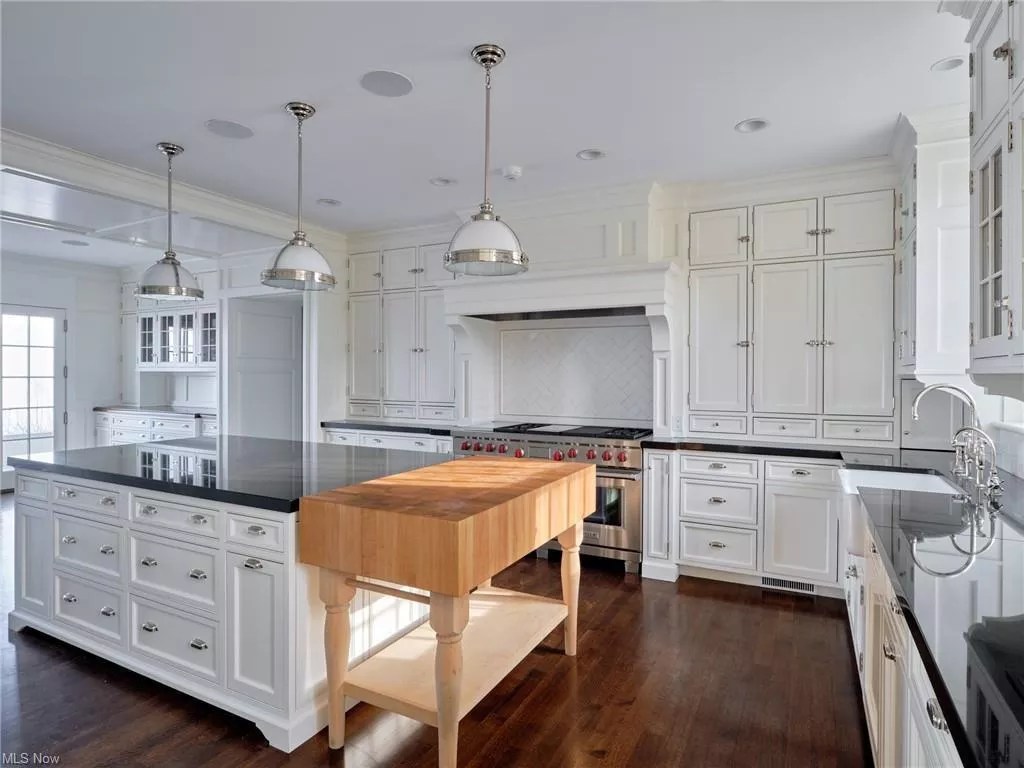
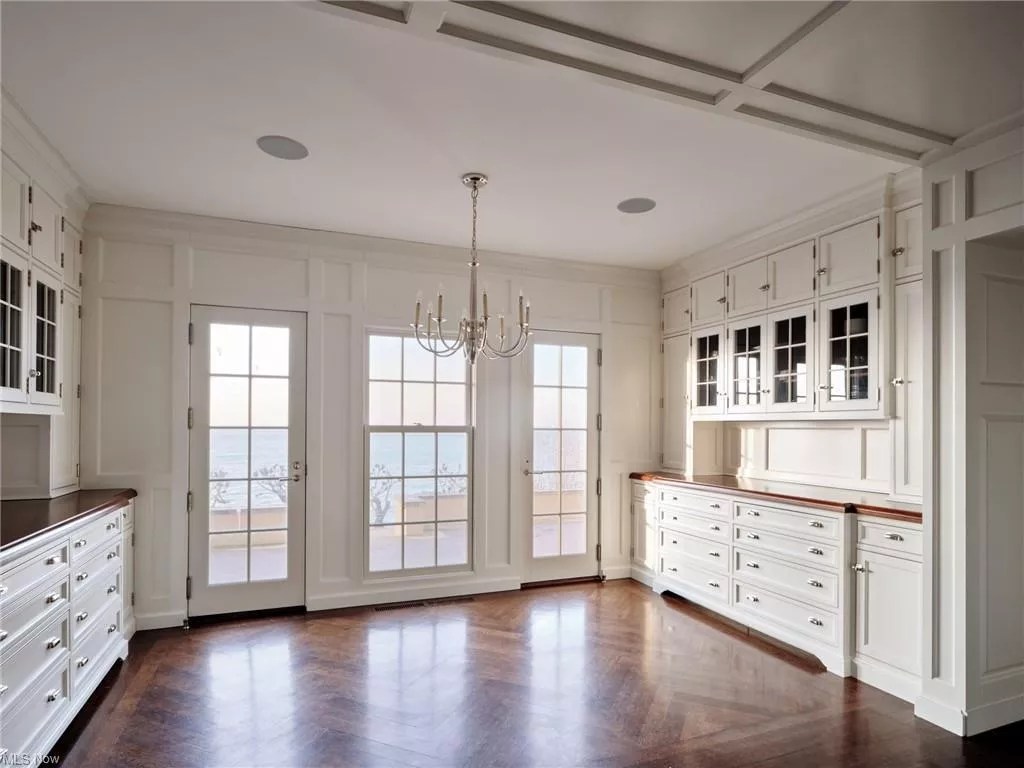
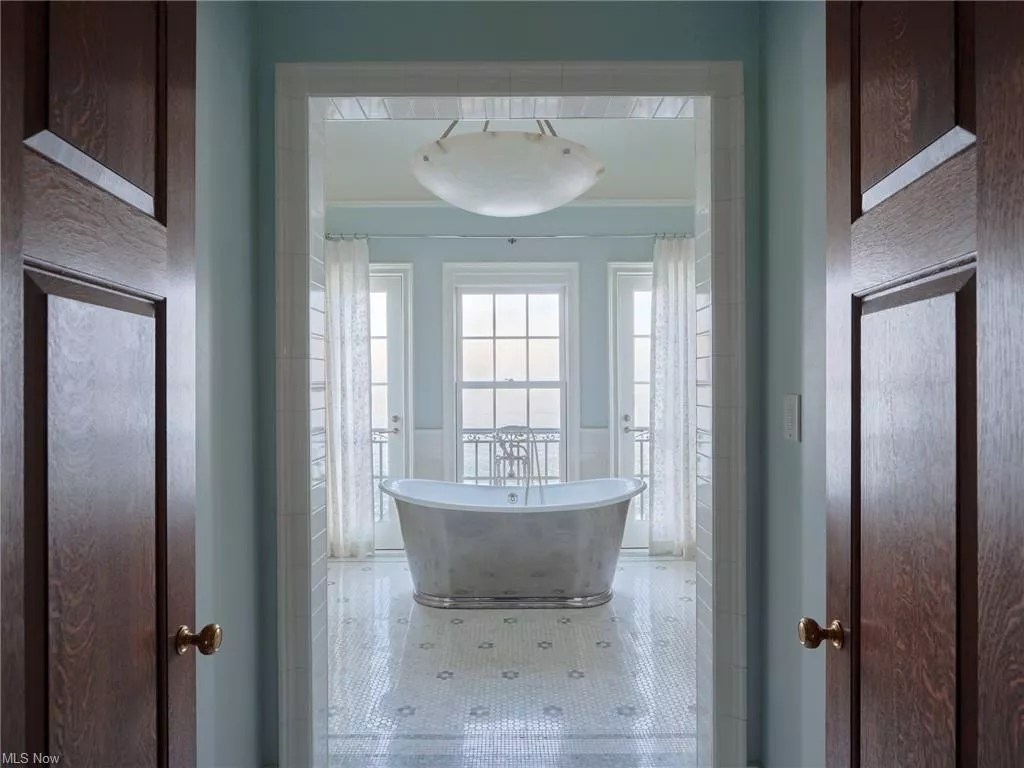
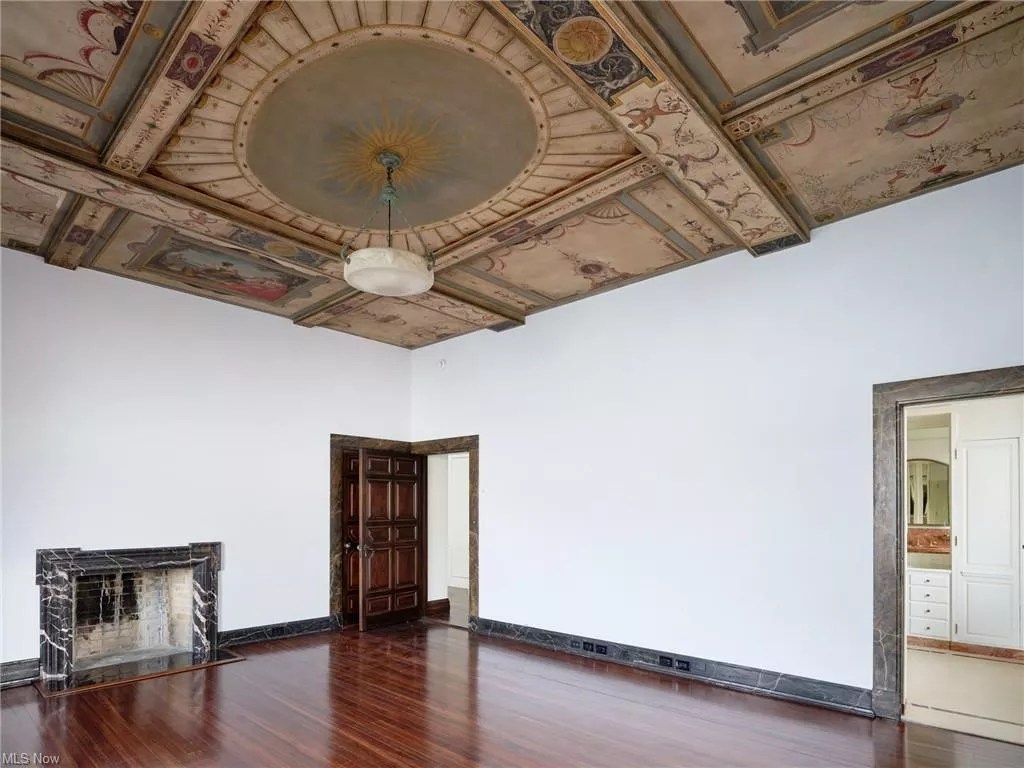
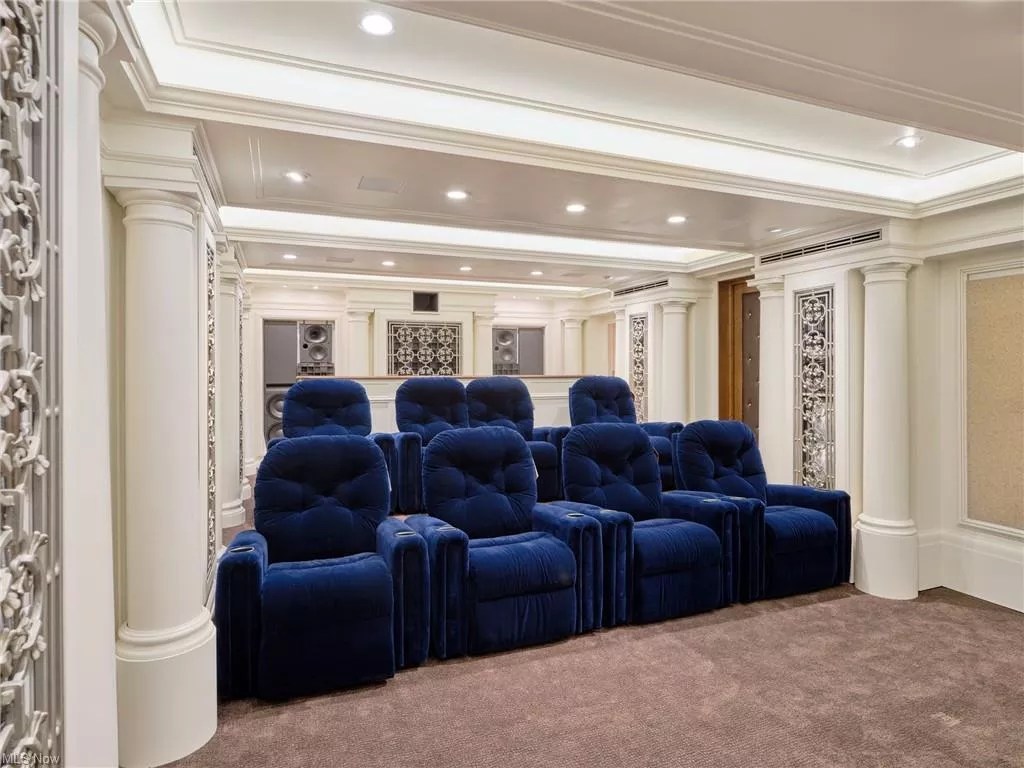
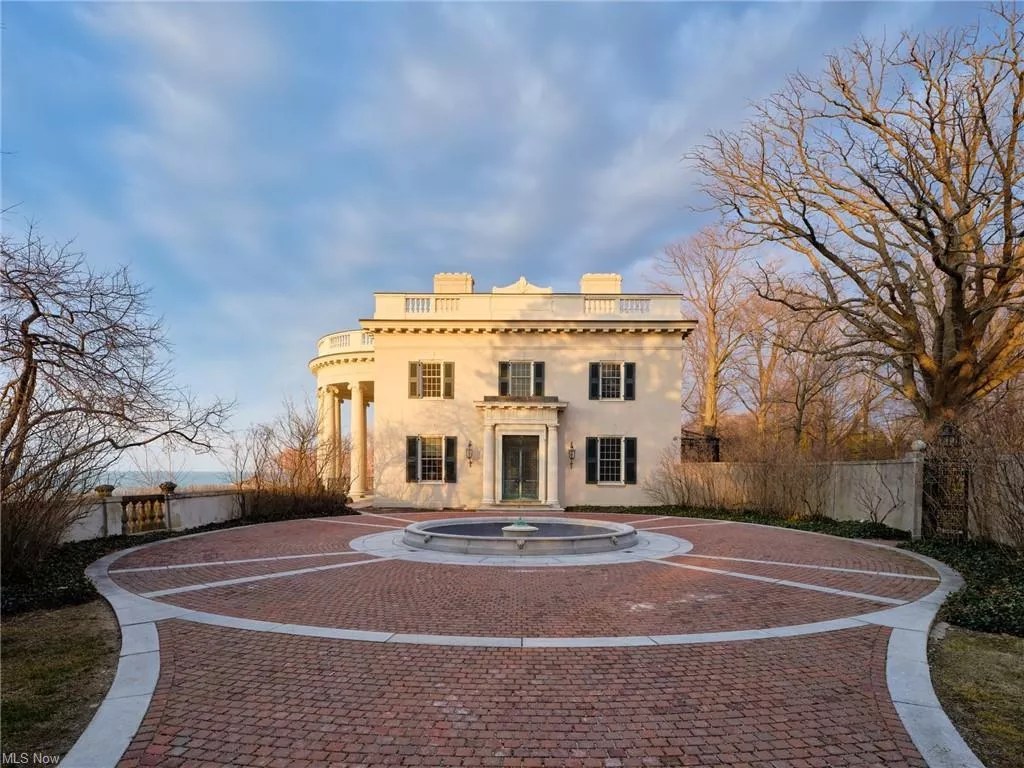
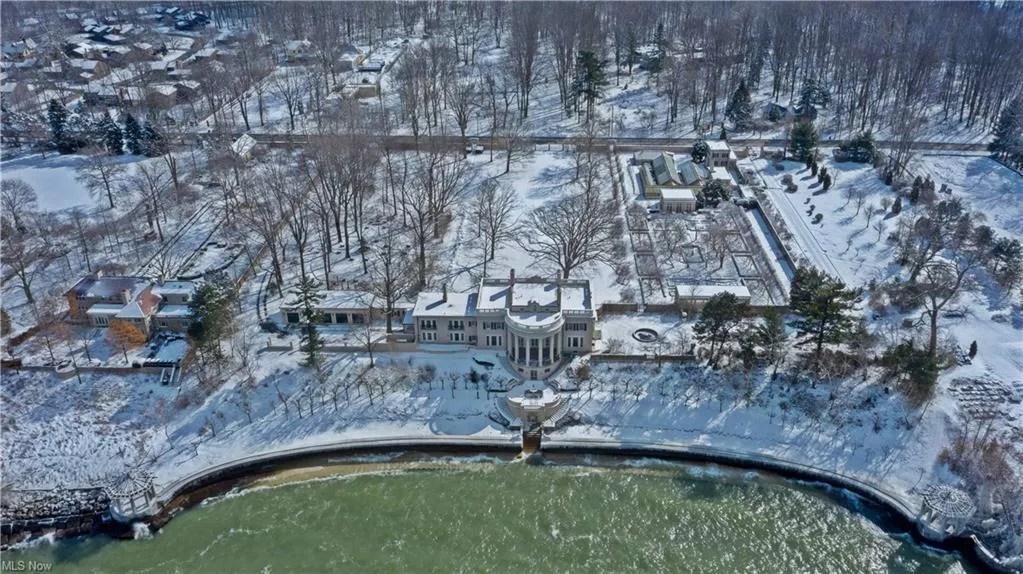
The historic Gwinn Estate and mansion in Bratenahl (12407 Lakeshore), built by William Mather and named after his mother, is now on the market after recent restoration efforts for $6.5 million.
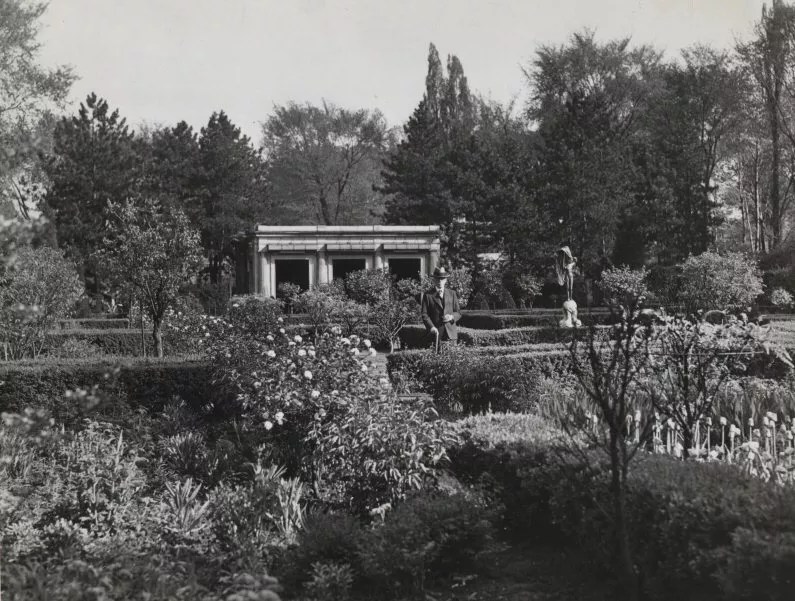
The 11-bedroom estate was originally the home of Mather, a bachelor at the time he acquired the plots in 1909 and began construction, and his half-sister Katherine. Designed by renowned architect Charles Platt, the Italian Renaissance design includes a norther portico meant to mimic the White House. Gardens and surrounding grounds were made possible after Mather bought several plots around the property and got Bratenahl to close two small avenues. Those lush gardens were designed by Warren Manning.
James D. Ireland Jr. inherited the estate in 1959 and, according to the Bratenahl historical society, “James and Cornelia Ireland decided to turn the property into a civic center. They succeeded in accomplishing by selling the property to the Elizabeth Ring Mather and William Gwinn Mather Fund, a non-profit corporation. With the cooperation of University Circle Inc., an organization that Mrs. Mather helped to inspire, Gwinn was made available for civic groups and out of town dignitaries to use for meetings, luncheons, and dinners. The house continued to be maintained with its original art treasures and English antique furniture.”
It was purchased by Terwyn Properties in 2007 for $3.25 million. Following restoration work, it’s now back on the market, albeit at double the price. Let’s take a tour.
You can contact the listing agent Craig Cantrall at Chestnut Hill Realty at (216) 249-2021 and at Craig@CHR-inc.com.
Historical photos courtesy CSU. Captions courtesy the Cleveland Historical Society.
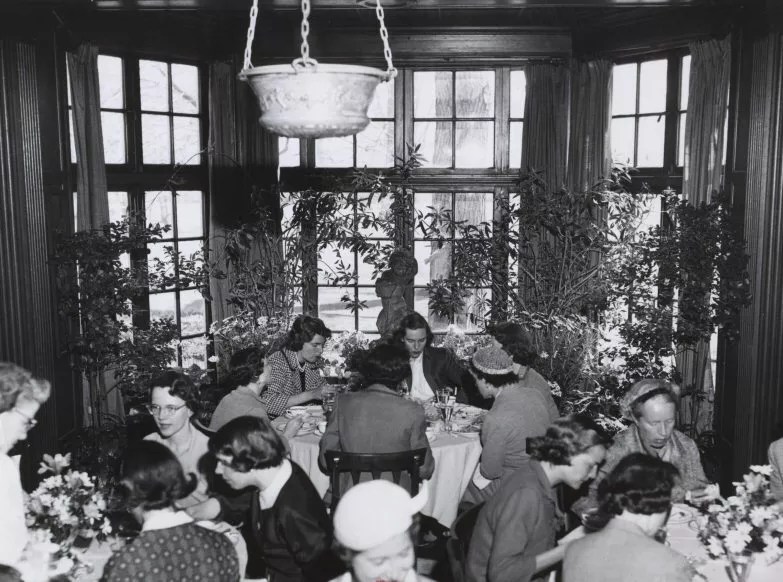
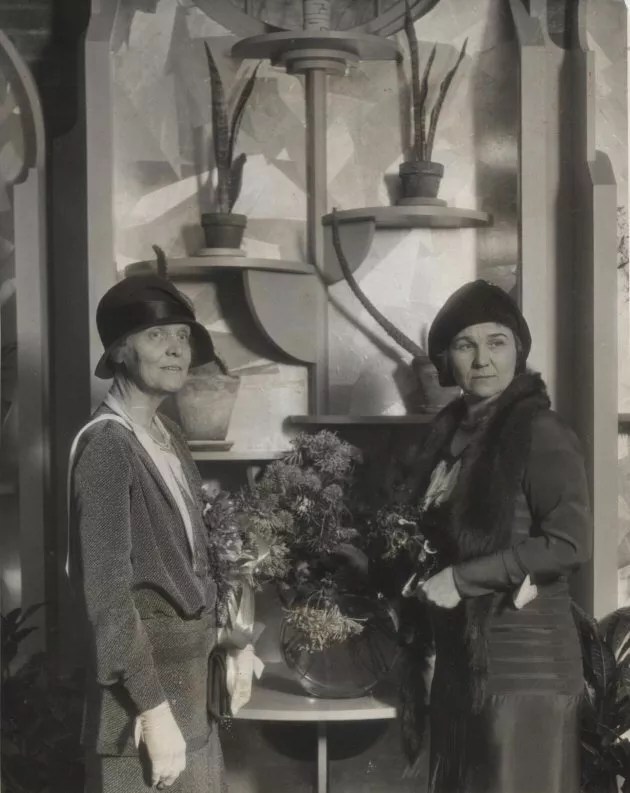
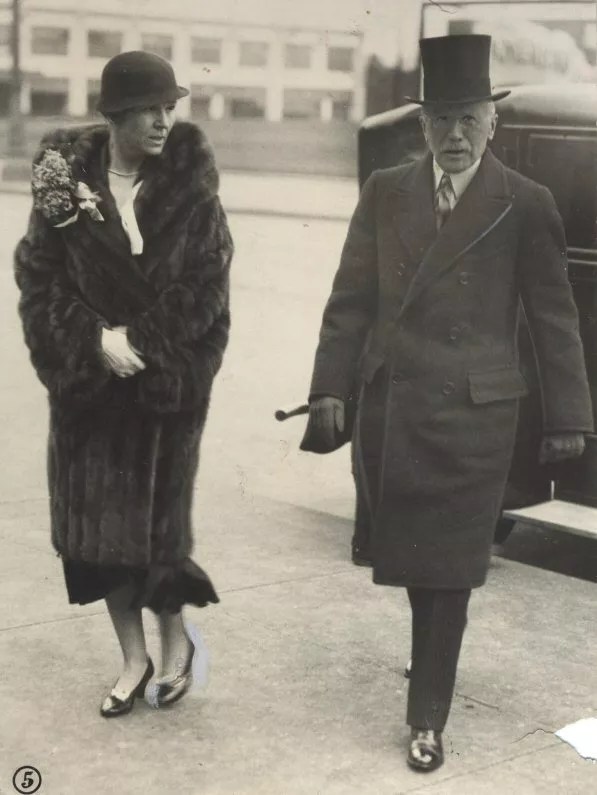
Luncheon at Gwinn, 1959: After Mrs. Mather’s death in 1957, Gwinn continued to be used for social gatherings. Her instructions to her son, James Ireland, specifically requested that Gwinn be used for community group gatherings. There was no cost. The only requirement for the groups was that they would use the caterer that Mrs. Mather had always employed. This photo shows the Cleveland Art Museum Junior Council having a luncheon at Gwinn in 1959. Image Courtesy of Cleveland State University. Michael Schwartz Library. Division of Special Collections. Cleveland Press Collection.Gwinn Library, 1958: Mr. Mather had diverse interests. One of those interests was books, as seen here in the Gwinn library, which housed his large collection. Also seen in this photo is another one of his interests: art. His love for art led him to become president of the Cleveland Museum of Art during the 1940s. He donated many pieces of artwork to the museum as well. Image Courtesy of Cleveland State University. Michael Schwartz Library. Special Collections.Garden Club Floral Arrangement, 1930: One of Mrs. Mather’s community-minded activities was the Garden Club of Greater Cleveland. Here she is pictured on the right at one of the club’s events during her term as president. The Garden Club founded the Garden Center of Greater Cleveland, which would become the Cleveland Botanical Garden. This group performed a wide range of activities, from growing food during the Great Depression to setting up educational programs through the Cleveland schools. Image Courtesy of Cleveland State University. Michael Schwartz Library. Special Collections.Party at Gwinn, 1957: Society pages often held the juicy details of parties held at Gwinn. Who attended, what was served, how long it lasted, and any other tidbits the column could find were published frequently. Mrs. Mather was known for her incorporation of flora and fauna into the decorations for parties at the mansion. This photo shows a party on the front terrace, which is adorned with the splendor of real foliage. Image Courtesy of Cleveland State University. Michael Schwartz Library. Special Collections.Mr. Mather in His Garden, 1941: This photo shows Mr. William G. Mather standing amid his famed gardens. Designed by Warren H. Manning, the landscaping around Gwinn became as famous as the mansion itself and was an example of Manning’s “wild garden.” Manning designed gardens for other large estates such as Goodyear Tire and Rubber Company founder F. A. Seiberling’s Stan Hywet Hall in Akron, and railroad baron George Washington Vanderbilt II’s Biltmore House in Asheville, North Carolina. Image Courtesy of Cleveland State University. Michael Schwartz Library. Special Collections.Mr. and Mrs. William G. Mather in 1932: William Gwinn Mather and his wife, Elizabeth Ring Mather, were at the top of the social hierarchy during the first half of twentieth century. The two had previously lived next door to each other in Bratenahl. When they were married in 1929, Mr. Mather was 71 years old and Mrs. Mather was 38. Not only did they take on leadership roles socially. The couple also lead the way in a number of civic activities intended to make Cleveland a better city. Image Courtesy of Cleveland State University. Michael Schwartz Library. Special Collections.Gwinn as Seen from Lake Erie, 1955: Architect Charles Platt’s design of Gwinn mansion was not typical for the time period. While most architects were building asymmetrical, intricate mansions at the turn of the twentieth century, Platt chose to embrace a much more Classical design. He is said to have been “rebelling” against the typical Victorian architecture of the time. Image Courtesy of Cleveland State University. Michael Schwartz Library. Special Collections.