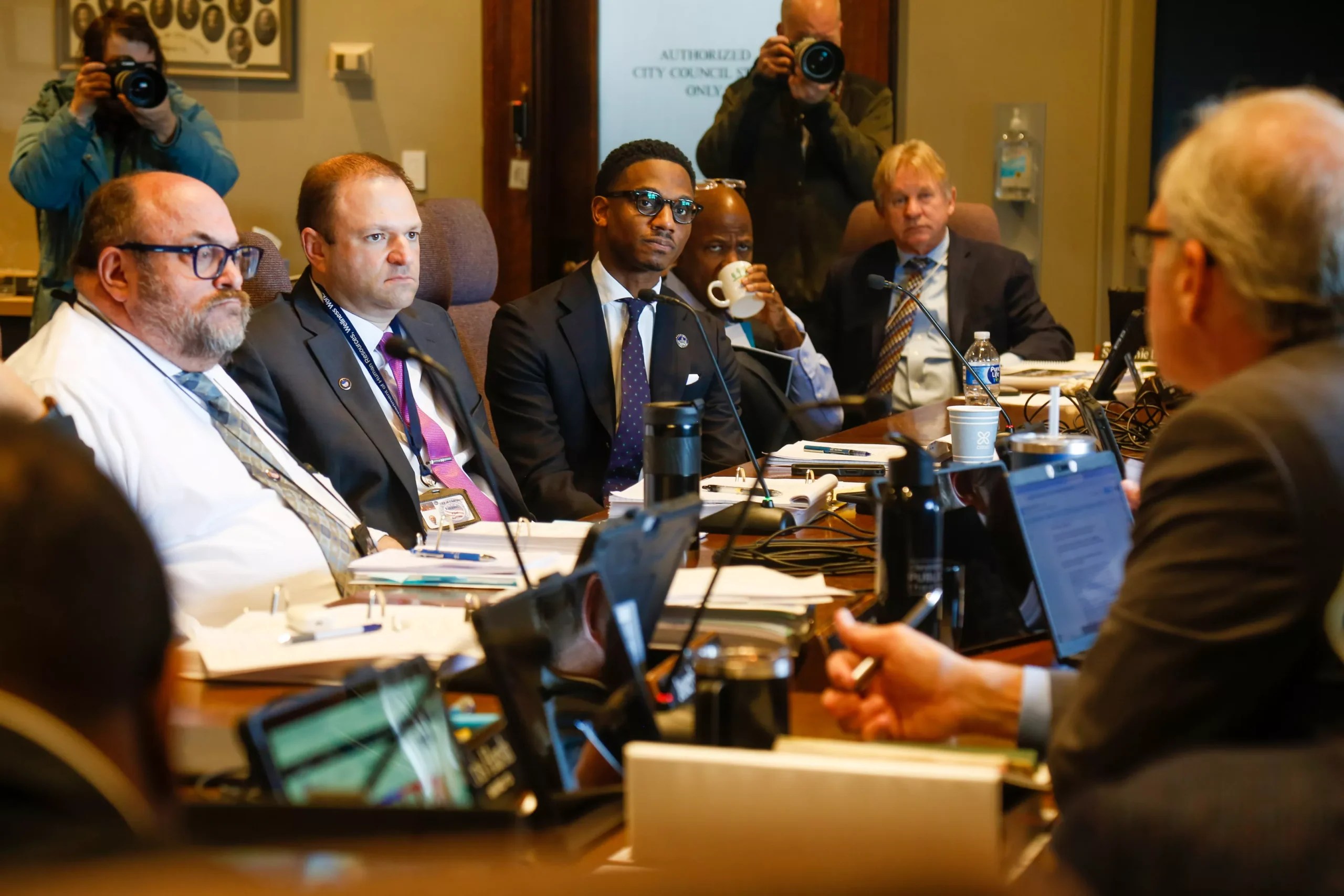
That table could look a lot different this time next year.
Actually, potentially completely different.
Bibb, rounding off his fourth year in office, will go up against an undetermined number of challengers in September’s primary and the November 4 general election. As will those vying for City Council’s soon-to-be 15 seats—save for Ward 3’s Kerry McCormack and Ward 14’s Jenny Spencer. And whoever else opts not to run.
But for the here and now, Bibb, through three hours of grilling, backed up the meatiest budget he’s ever proposed to Council since starting the job in 2022. One with proposed spending hikes in at least 12 areas of government.
“As my administration enters its fourth year, we remain focused on our city’s long-term fiscal health, public safety, economic opportunity, delivering city services, and investing in Cleveland’s infrastructure,” Bibb wrote in his 2025 Mayor’s Estimate.
“My team and I are actively working to expand our tax base by creating jobs in Cleveland neighborhoods,” he added, “expanding and repairing our housing supply, and investing in the infrastructure that is critical for Cleveland’s growth, competitiveness, and bright future.”
It’s the kind of Bibbian optimism that Council tried to poke holes in, especially in a year potentially tough for Cleveland minding federal and state grants that could, possibly, maybe be off the table due to a federal government moving away from backing anything environment-, climate- or DEI-friendly.
And the pitched budget shows that. The $806 million General Fund, the money that fuels the majority of local government, showed up-and-down funding increases in at least 15 realms of City Hall — a $2.5 million hike at Building & Housing, a tripling of Public Works to $9.9 million, $1.1 million for the new Parks & Rec department, a $6.8 million raise for the Department of Information & Technology.
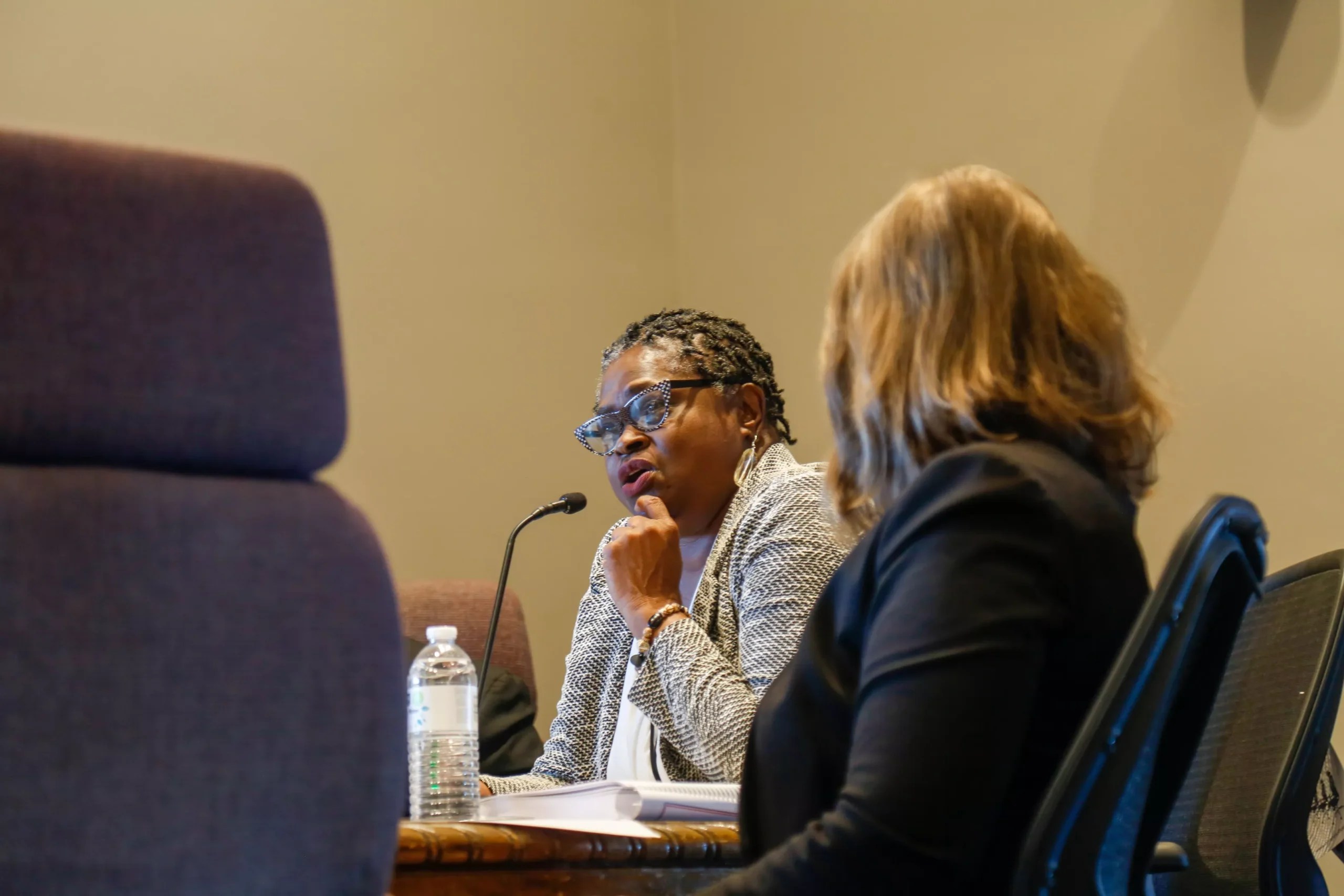
The questions to Bibb ran the gamut: Is Cleveland financially up-to-date with its sports arena assets? Are we neglecting Cleveland Public Power? Does Bibb’s office need 19 special assistants? Is the Cleveland Community Police Commission, now enough members to once again do business, funding appropriately in line with the money heading towards the police they’re supposed to monitor?
“I mean, is it really government working for all? I don’t know how this budget is reflective of that,” Ward 7 Councilwoman Stephanie Howse-Jones said. “Not just doing the work, but looking at it from that perspective.”
Ward 17 Councilman Charles Slife wondered how to ensure that the city’s most lucrative tax base—growing adults with good jobs—aren’t moving out of Cleveland as kids come into the picture.
Bibb pulled up his proposed $3.5 million budget for youth services, which includes Hoops After Dark, an evening-time basketball league for teens, and other funding for violence prevention.
“We’ve been figuring out how to better align city departments with families and children,” Bibb said. “And we feel they’re doing a better job talking to each other now.”
“Every chief and director has a child-focused view of their department,” he added.
Some light was shed on probably the most visible of city improvements to come in the next four years, especially if Bibb can convince Cleveland to allow him a second term.
That is, the proposed $180 million of capital investments, the pedestrian walkways and repaved streets, what Bibb’s calling the Safer Streets for All Road Users initiative—traffic calming, speed tables, “safety-focused traffic interventions.”
All which could mean a lot when Cleveland Moves’ three-to-five-year “quick build” plans go into effect later this year, and bike lanes begin to line streets in the city center where there weren’t any previously.
Which was at least a slight concern by Ward 2 Councilman Kevin Bishop: Could more money be used to fast-track improvements of the public realm, especially on the East Side?
“We really need to put more focus on our streets,” Bishop said. “Yes, the West Side Market, the Highland Golf Course—that’s fine. But I want more money back on our residential streets. I want to continually focus on things that are back-to-basics.”
To that, Bibb pointed out everything the budget includes in that regard—namely that tripling of Public Works funding, the increase in money for Parks & Rec, the $6 million for the Department of Urban Forestry.
“We’re improving more streets, more parks and more rec centers,” he said, “than ever.”
Subscribe to Cleveland Scene newsletters.
Follow us: Apple News | Google News | NewsBreak | Reddit | Instagram | Facebook | Twitter | Or sign up for our RSS Feed
Related Stories

Community Police Commission and City Hall Butt Heads After Report Detailing Dozens of Misconduct Allegations Gone Uninvestigated
This article appears in Feb 13-26, 2025.