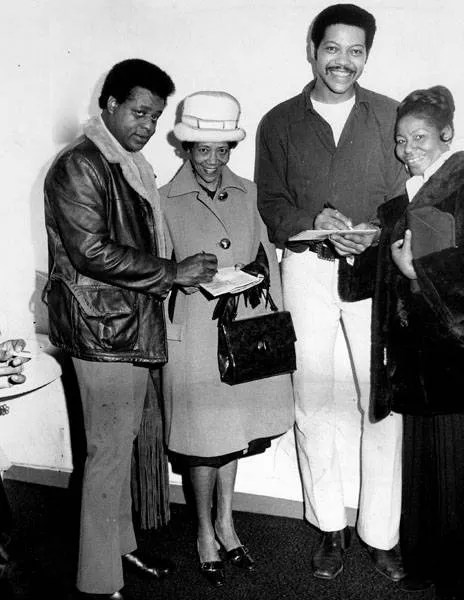
According to the Cleveland Memory Project, “Karamu Theatre, listed as the “oldest black theater company in America” by the African American Registry, began in 1917 with a series of plays with interracial casts, which were produced by Russell and Rowena Jelliffe in the Neighborhood Association settlement they founded two years earlier on East 38th Street in Cleveland, Ohio.
The name Karamu, Swahili for “a place of joyful meeting,” was applied to a new theater constructed in 1927 and became the name for the entire settlement in 1941. When a fire destroyed the original complex in 1939, it was rebuilt a decade later at East 89th and Quincy, where it remains as a vibrant part of the community.”
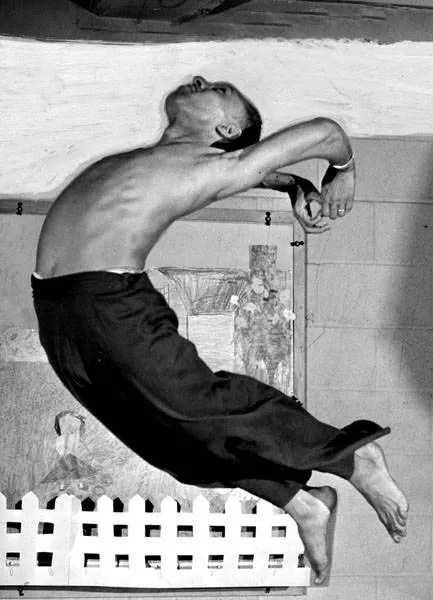
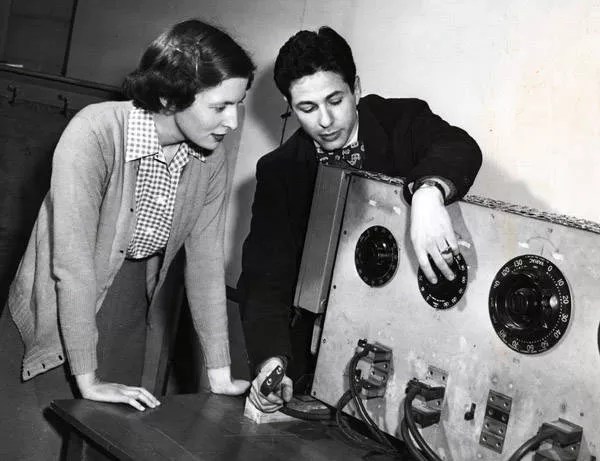
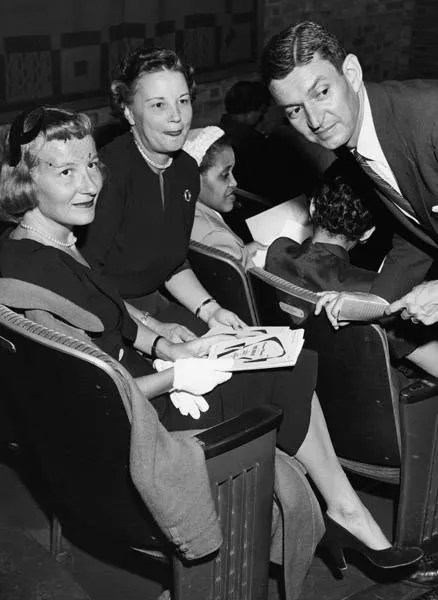
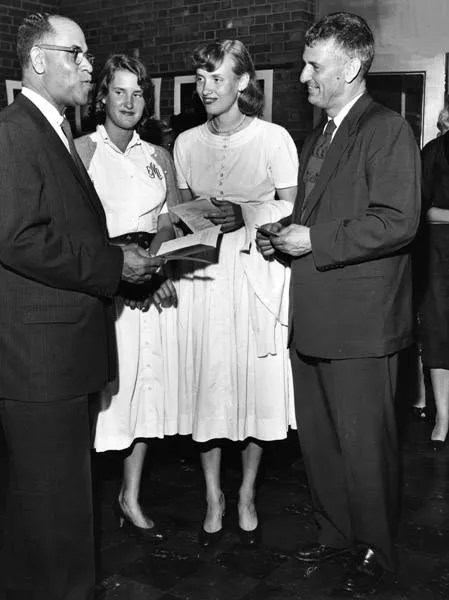
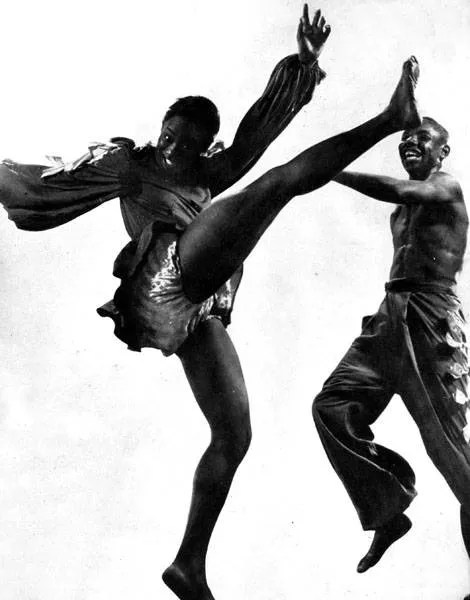
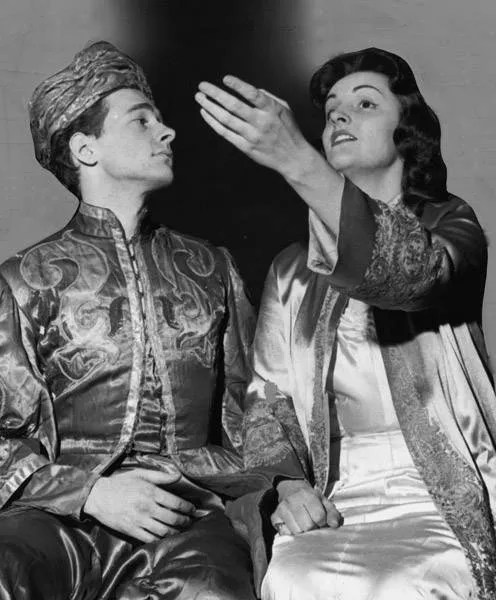
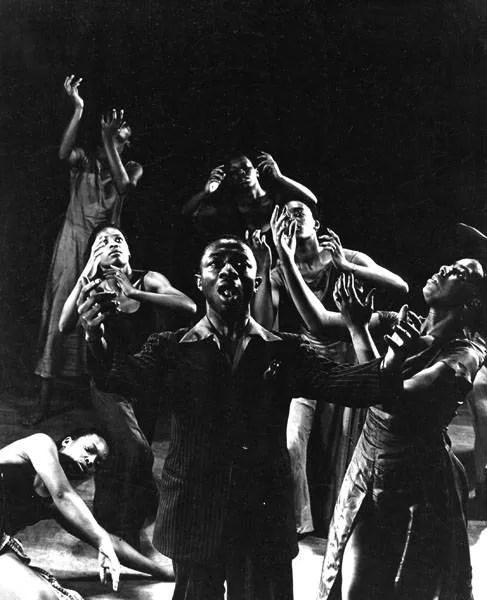
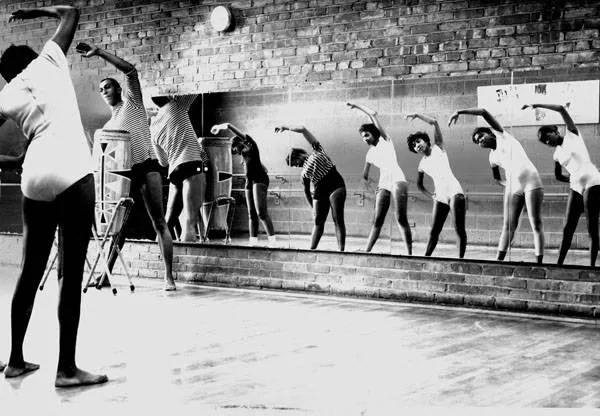
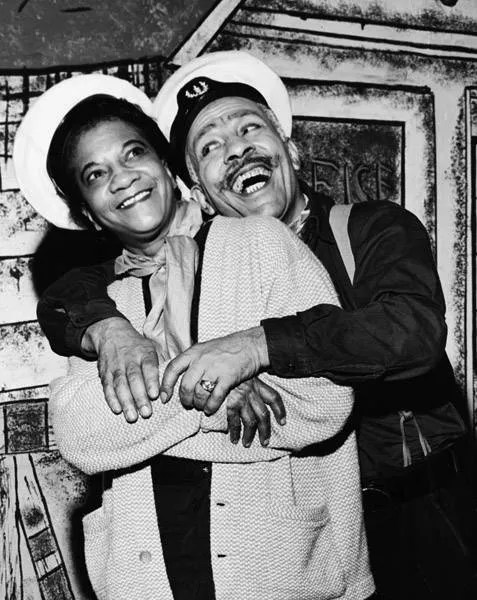
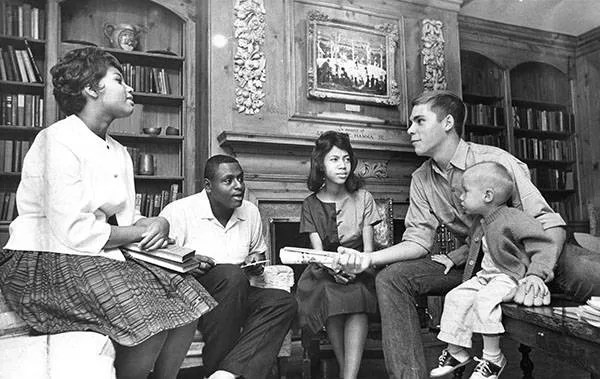
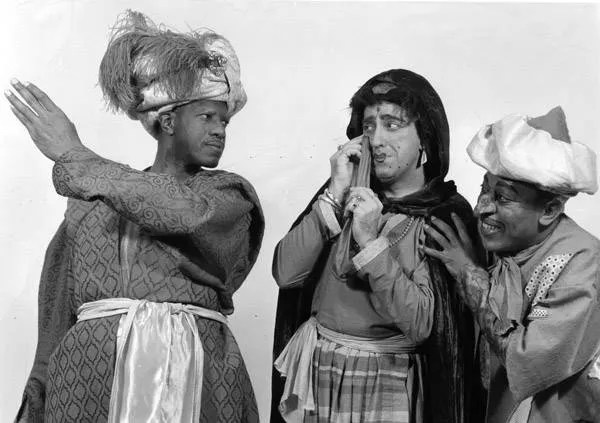
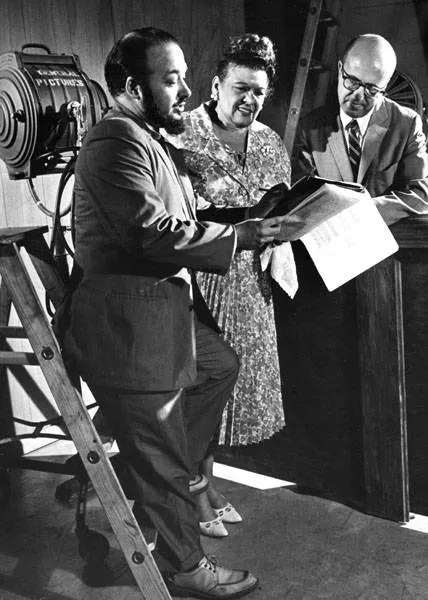
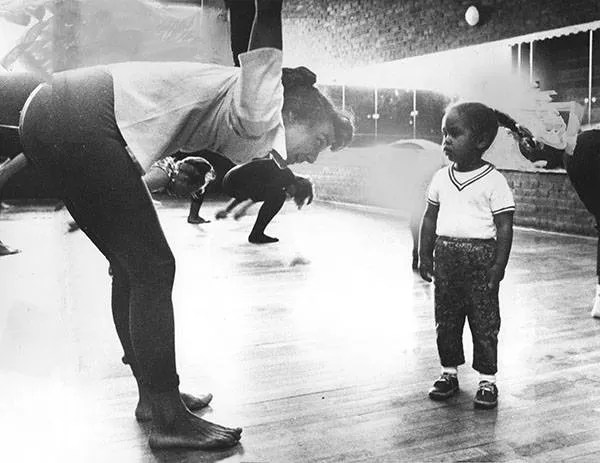
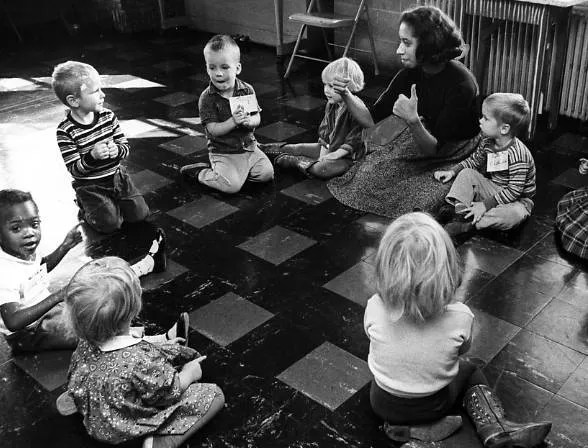
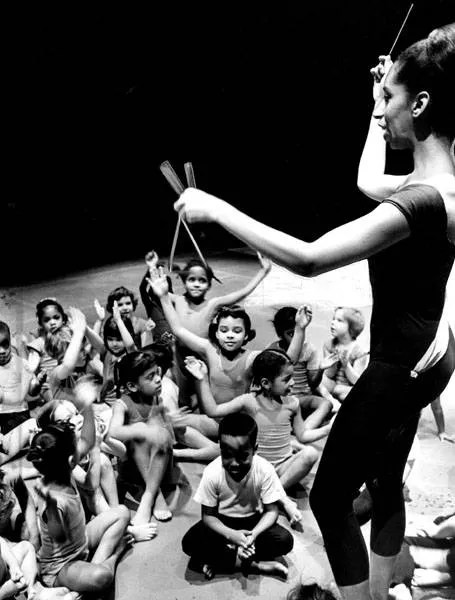
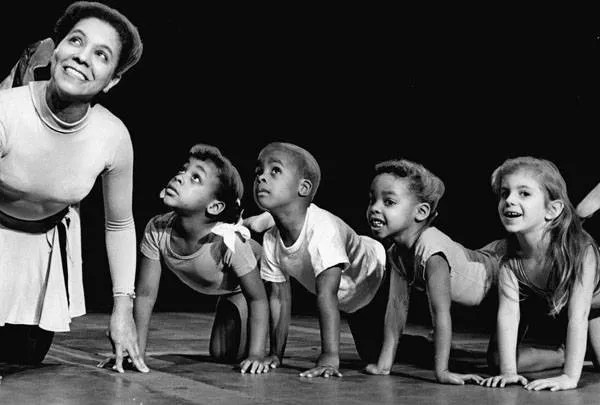
We put together a gallery of shots from Karamu House and its productions throughout the years that show what a local treasure it really has been.
All photos via the Cleveland Memory Project.
Original Karamu House, 1930sChildren Playing with Blocks, 1940Camp Karamu, Brecksville Reservation, 1940Production of “I Gotta Home”, 1941Gilpin Players’ Production of “How Come Briar Rabbit do no Work”, 1941Plans for the New Karamu House, 1944Artist Rendering of Proposed New Karamu House, 1944Groundbreaking Ceremony, 1945Dancers Rehearsing, 1947Dancer Leaping, 1947Theatre Opening, 1949Rehearsal, 1949Production of “The Medium”, 1949New Switchboard, 1949Early Rehearsal in New Theatre, 1949Sculpting, 1951Boy Visits Set of “Amahl and the Night Visitors”, 1952Children Playing Dress-Up, 1952Karamu Quartet Ensemble, 1954Founder Russell W. Jelliffe Speaks with Karamu Concert Dancers, 1954Children Napping at Daycare, 1955Production of “Kiss Me Kate”, 1955Two Children in Costumes, 1955Actors in Unknown Play, 1956Production of “Billy Budd”, 1957Audience, 1957Director with Cast Members of Bloch’s “Macbeth”, 1957Production of “The Pajama Game”, 1958Jerold Levert and Others on Karamu Radio, 1958Opening Night, 1958Production of “The Sign of Jonah”, 1958African Room Display, 1959Production of “Jamaica”, 1959Entrance to New Karamu House, 1959Golden Agers Room, 1959New Meeting Room, 1959Two Dancers, 1959Actors Performing, 1959GolovinDance Group Performance, 1960sDance Class, 1960Actors, 1960Actors in a Scene, 1960Production of 3 Penny Opera, 1961Production of He Who Gets Slapped, 1961Musical Production of Street Scene, 1961Production of “Threepenney Opera”, 1962Students Studying Pictures of the Moon, 1962Hanna Room at Karamu House, 1963Students Studying, 1963Karamu goes to Washington, 1963Art Director Leonard Dryansky and Actress Mrs. Oppenheim, 1963Case Western Students’ Science Circle, 1963Actors, 1963Production of Paint Your Wagon, 1963Actors Leaving for a Trip to Denver, Colorado, 1964Training Dance Teachers, 1964Women’s Group Meeting, 1964Reviewing a Script, 1964Mom’s Morning Out Ceramics Class, 1964Dance Class, 1964Singer Ada Calabrese of the Met at her Gallery Opening, 1964Children’s Rhythmic Training Class, 1964Children’s Theatre Actors, 1964Biology Lesson, 1964Audience at Production of Simply Heavenly, 1965Children’s Dance Class, 1965Children’s Theater Performing Puss in Boot, 1965Dance Class, 1965Tour of the Americana Room, 1965Painting at Karamu, 1965President of the Karamu Board and Audience Members, 1965Women’s Committee at Karamu House co-chairs pinning ticket booklets to an actress’s dress, 1965Karamu House Sign, 1965Cast of The Family Upstairs, 1966Golden Age Club Adviser with Club Members, 1966Karamu House, 1966Production of Alice in Wonderland, 1968Executive Director Kenneth Snipes Meeting with Trustees, 1970Theatre Director Kenneth Snipes and Wife, 1971Backstage, 1971Dancers Performing “Flight – An Evening of Dance”, 1973Production of “No Place to Be Somebody”, 1974After Party, 1975Cast Members of “Hamlet Jones”, 1975Karamu House Benefit, 1975Production of “Hamlet Jones”, 1975Workshop of “Beast of a Different Burden”, 1977Production of “A Rose by Any Other Name”, 1978Mrs. Walter Mondale visits Karamu House Art Department, 1979