People’s Budget Cleveland, the organization behind the failed 2023 ballot initiative to bring participatory budgeting to Cleveland, announced Friday that Slavic Village was picked amongst a dozen other neighborhoods for a $100,000 pilot program next summer.
The goal is to let the community choose something of value to them — a playground, an arts program, etc. — and it almost doesn’t matter what exactly is chose.
To Jonathan Welle, a community organizer working with PBCLE, the more important takeaway is how the project is chosen: Slavic Village residents, after all, will vote on whatever they want to spend the six figures on—and not City Council members who traditionally have final say in capital projects.
“It’s people sort of trying to adopt a new mental model to who should have power in this equation,” Welle told Scene. “And to be clear: it’s residents who should have power—that will have power through this process.”
Although Welle and PB CLE’s dream of diverting $14 million of Cleveland’s general fund to a pool of money controlled by voters fell short at the ballot, participatory budgeting efforts have succeeded in other Midwestern cities. Often with pilot projects, using donor funds, that draw up trust to eventually deploy people’s budgets on a larger scale.
Related

Red Chimney Restaurant in Slavic Village Closed for Foreseeable Future Following Fire
Earlier this year, Milwaukee’s City Council agreed to send $600,000 to a people’s budget fund, to be used however voters please later this year. The driving force behind the move, advocates say, began when Milwaukee’s African American Roundtable kickstarted a $100,000 private pilot. (Which funded violence prevention projects.)
Similar neighborhood tests in Detroit in Chicago give Welle, and the project’s program manager, Najah Muhammad, confidence that Clevelanders might give PB CLE another shot, say, before the end of the decade.
Where, Welle said, “residents all across the city have the opportunity” to vote.

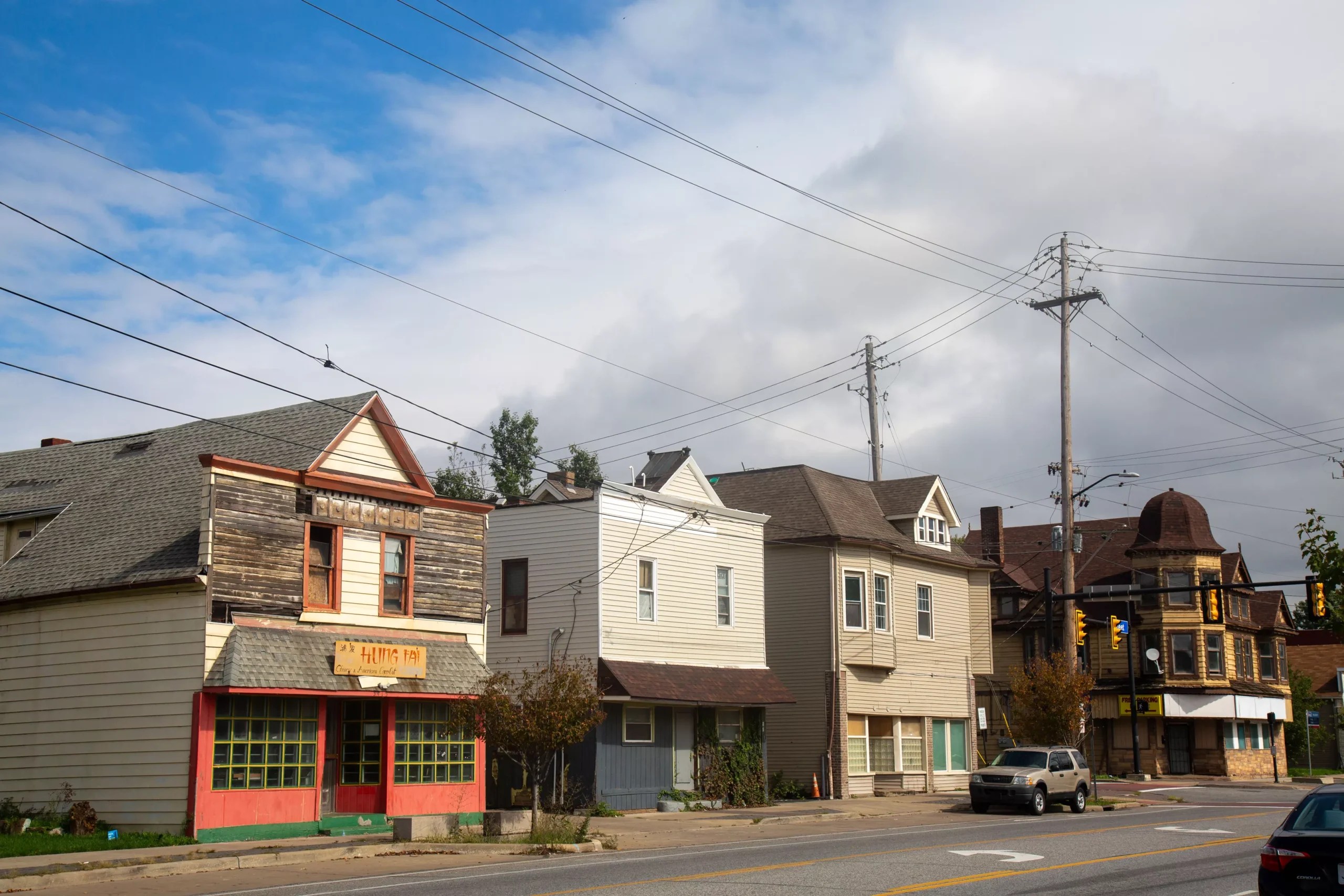
It’s long been a hotbed for out-of-state investors gobbling up houses cheapened during the Great Recession, then a symbol of bygone retail corridors like Fleet and Broadway avenues that have welcomed new cafes and bike lanes despite vacant storefronts.
Ward 12 Councilwoman Rebecca Maurer knows Slavic Village, which occupies about a third of her ward, can use all it can get. Whether that be using American Rescue Plan Act dollars to wake up businesses on Fleet Ave., or, like in 2023, bringing the Stella Walsh Rec Center gym into the 21st century.
As for what $100,000 more can do?
“I mean, I’d start with everything on the menu,” Maurer, who supported the PB CLE ballot initiative, said. “Park renovations. We don’t have chairs right now at Warsaw Pool. There are no chairs! Can you believe that?”
Though she supported the PB CLE ballot initiative in 2023, Maurer, like any other City Council representative, sits in kind of a strange position when it comes to participatory budgeting.
Traditionally, every one of Cleveland’s 17—soon to be 15—council members has access to a pool of public funds, either from the Feds or from JACK Casino revenue, that they can use to better their ward as they see fit.
But PB CLE isn’t Maurer’s wheelhouse. The decision, whether to clean up mattresses on Fleet or give pool-goers chairs to lay out on, is not hers. It’s, come next year, Slavic Village’s.
A principle that Maurer believes may actually affect something she is a part of: a citywide election, in September and November.
“My biggest hope is that this reconnects something we’ve lost in our democracy,” she said, “which is people’s sense that their engagement matters and that if they show up and get involved, they can make a difference.”
Related Stories

Ward 12 Clevelanders Brace for Redistricting Growing Pains After Next Year’s Council Shake Up
This article appears in Cleveland SCENE 7/30/25.