

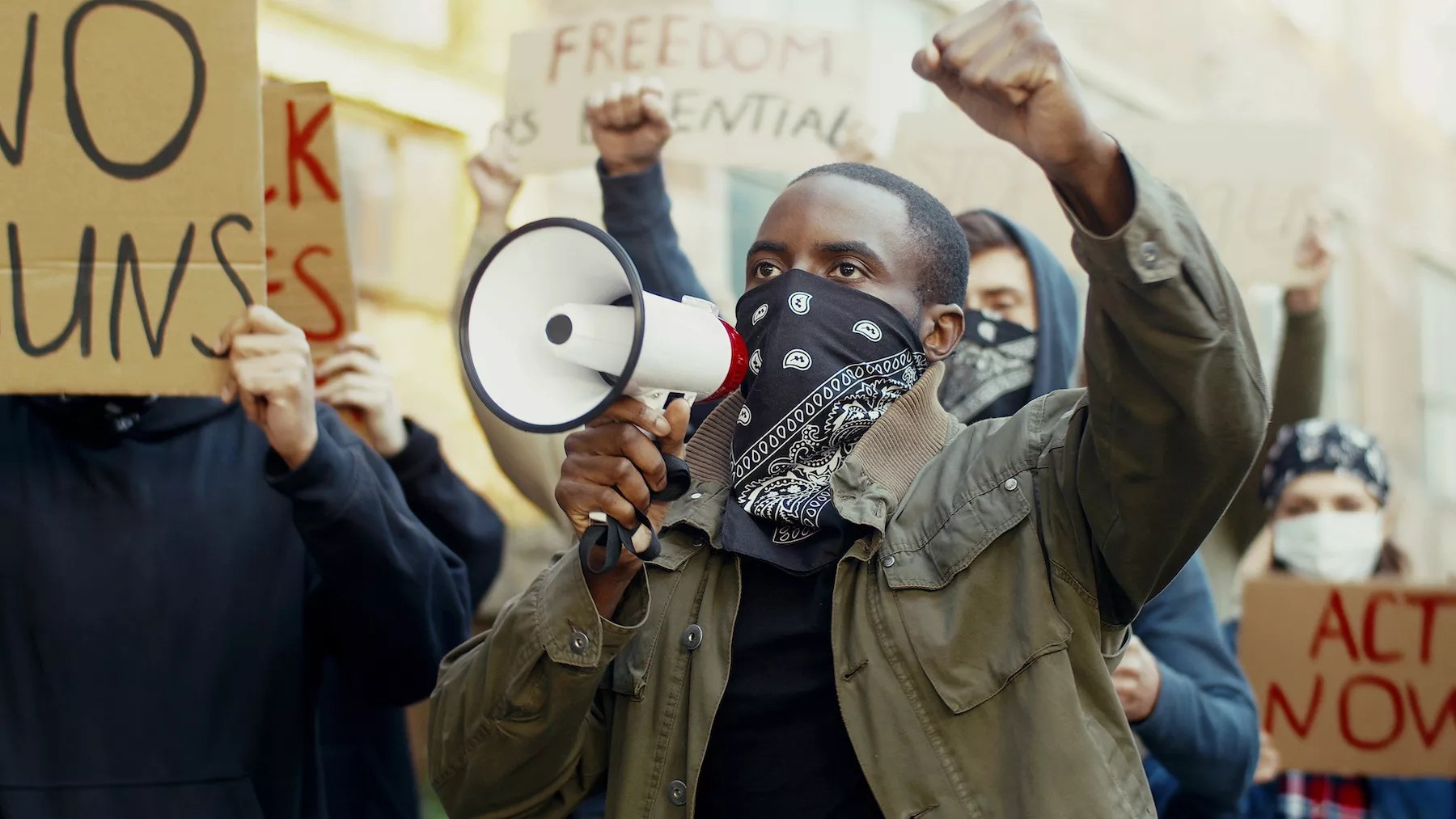
COLUMBUS, Ohio — An Ohio bill dubbed by opponents as “anti-free speech” is up for a possible vote.
House Bill 109 increases the penalties for rioting and creates the offenses of riot assault and riot vandalism. It also increases the penalty for disorderly conduct when the offender hinders the movement of people during a riot or illegal protest.
David Lima, member of the leadership team in the Northeast Ohio chapter of Showing Up for Racial Justice, contends it will discourage Ohioans from participating in civil demonstrations for fear of legal action.
“The language is broad, it’s vague, the laws are duplicative and unnecessary,” Lima asserted. “And they have actually created new sets of crimes with significantly enhanced penalties and costly fines.”
The measure also creates the offense of bias-motivated intimidation that prohibits a person from harming another person or property based on the victim’s status as a first responder.
Proponents say it supports the right to peacefully assemble while holding those who break the law accountable. The Ohio House Criminal Justice Committee could vote on the measure today.
Michael Weinman, director of governmental affairs for the Fraternal Order of Police of Ohio, said first responders faced verbal threats, harassment and physical violence in responding to calls during riots in the wake of George Floyd’s death. He argued they need to be able to provide assistance free of attacks.
“When these protests do turn violent, and they all didn’t, we know that. But when it does happen, we need to be able to restore order,” Weinman contended. “It’s not only protecting property, but we had situations where people were pulled out of cars and beaten; they had nothing to do with anything else.”
However, Lima said the bill goes as far as to target the organizations that sponsor protests by holding them liable for the illegal actions of participants.
“You never know who’s going to show up for protests, and you never know what their intentions are,” Lima pointed out. “So it will have the effect of organizations having to think twice whether they want to go through with the protest.”
Lima said the bill will suppress free speech, and pointed out that 93% of the protests between May and August 2020 across the country were non-violent.
This article appears in Nov 3-16, 2021.