

That’s quite a few.
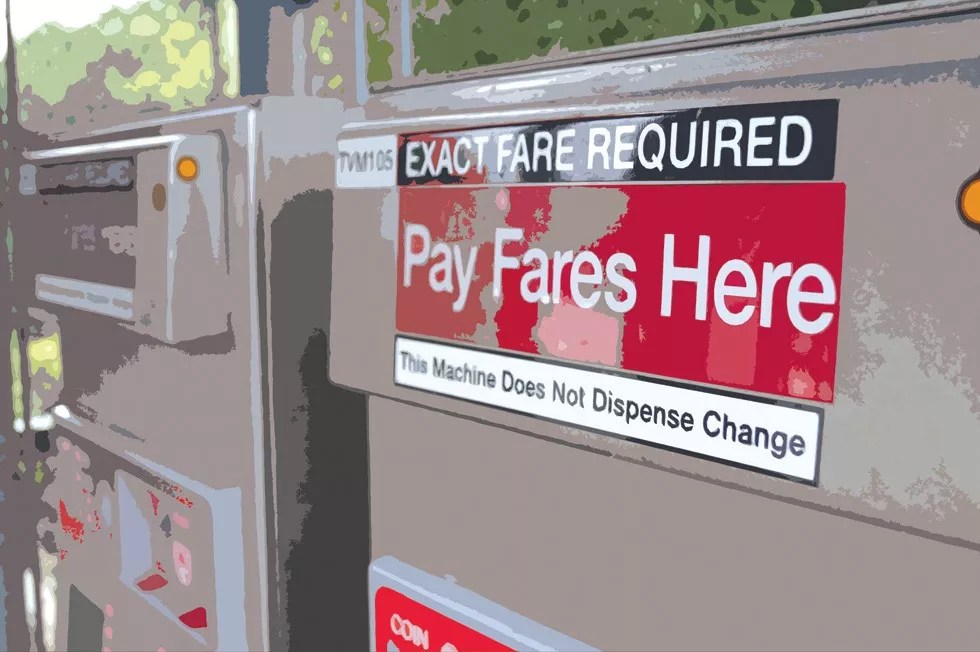
Also on the docket is an additional fare increase. This August, single-trip fares and all-day passes will both increase by $0.25. The hike is the second of two, the first of which was implemented back in the innocent summer of 2016. After the increases this summer, a monthly pass will cost riders $105.00
Note: In the short-term, riders can expect decreased frequency on some bus routes. Layoffs, which are expected but not yet official, and broader service cuts are at this point only speculative. A presentation will be made outlining the short-term cuts (to be implemented in March) at a 1/16 board meeting.
This is all happening because the state is no longer collecting a tax on medicaid managed care services, and that’s resulting in huge losses for transit agencies around the country — about $20 million per year, in RTA’s case. The state has pledged a one-time gift of $25 million to help plug the hole, but Calabrese is looking ahead and trying to phase in cuts so they minimally affect riders.
But the situation is dire, and it has been for several years.
Now might be a real swell time for Mayor Frank Jackson to consider creating that city Department of Transportation that Tony Madalone and others were promoting on the primary trail. Failing that, the city needs to devote serious resources and get creative in exploring partnerships and seeking financial solutions for the system. RTA is one of Cleveland’s strongest selling points — has everyone forgotten? — and yet our leaders seem totally cool with letting it wither.
This article appears in Jan 3-9, 2018.

Maybe Uber and Lyft will implement their fixed-route services that they have tested in other cities and show RTA how to run a nimble, dynamic transportation network.
typical racist statement
Cut service so we can keep the coloureds out of the suburbs
Even in cities like San Francisco their fixed-route services only operate limited hours, and considering that neither service even has their pooled ride service here due to low volume, it’s doubtful they’d bring fixed-route services here.
GCRTA primarily serves a majority of Clevelander’s who don’t vote, because they can’t get registered, or because they are to busy transferring a half-dozen times everyday, getting to and from their three-jobs, via the RTA.
Politicians generally don’t care about those who can’t vote for them.
Welcome to the Thrumpian/Kasich , Catch-22 of 2018.