

In 2020, a Bloomberg City Lab study that analyzed livability for Black women in 42 American cities — looking at health, economic and educational outcomes — ranked Cleveland dead last.
Inspired by the analysis, Cleveland nonprofit thinktank Enlightened Solutions started Project Noir, which surveyed over 450 Black women in Cleveland specifically.
“76% of our participants have been told that their hair is not professional at work. They have been excluded from meetings relevant to their jobs, they are exited at a higher rate, they are held to higher standards,” said co-founder and managing director of Enlightened Solutions, Bethany Studenic. “When they see doctors, doctors don’t believe their pain, doctors don’t provide treatment. These are the types of behaviors and decisions we’re trying to really challenge.”
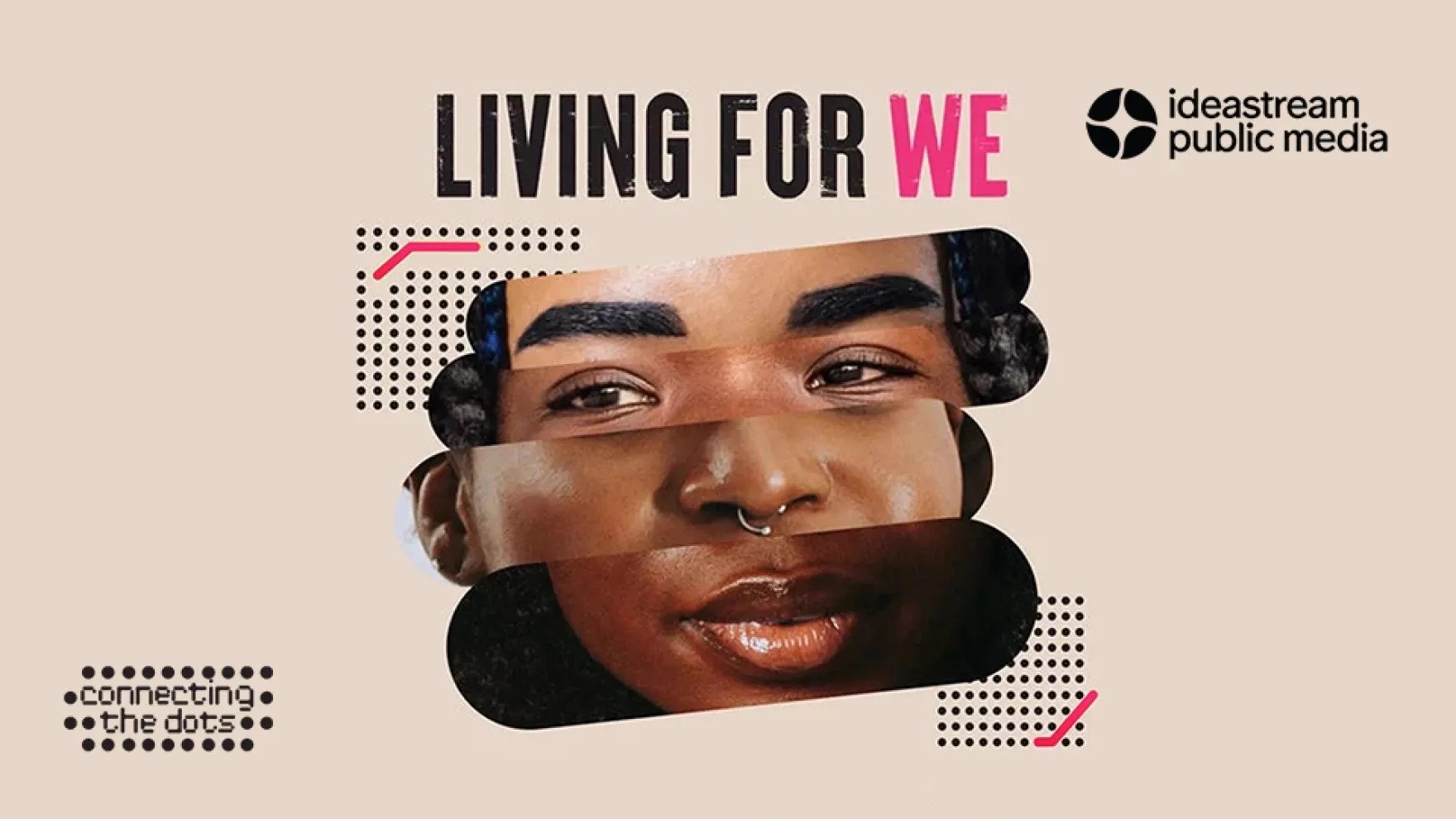
And Ideastream kept the conversation going with Living for We, its podcast that assks the questions: Why is Cleveland so unlivable for Black women, and how does that affect the Black women living here.
The show, which has garned tens of thousands of downloads and trended on Apple Podcast’s New and Noteworthy list, is part of “Connecting the Dots,” an Ideastream project examining the barriers to health Black Clevelanders face.
“In addition to the other health coverage that we were doing, it was in response, in many ways, to the George Floyd incident,” said Ideastream director of engaged journalism and Living for We host Marlene Harris-Taylor. “Many health entities, like the local health department, City Hall, the county and many others declared racism a public health crisis. And we were like, ‘What does that mean?’”

In the five episodes so far, Harris-Taylor has interviewed children, seniors, professionals, mothers and more, like Kent State psychology professor Dr. Angela Neal-Barnett and Samaria Rice, mother of Tamir Rice.
“Black women in Cleveland are not given grace. Whether it’s in the workplace, whether it’s in the healthcare system, whether it’s in their own education,” said co-founder and director of strategy for Enlightened Solutions Chinenye Nkemere, who researches for and contributes on Living for We. “In the city of Cleveland and in the county we are everywhere, our fingerprints are everywhere but our influence is not felt at all.”
The podcast has covered livability studies, police violence, life for Black girls in Cleveland and being a Black woman in the workplace. Future episodes this season will delve into education, relationships and health.
“We tried to figure out, how do we make this information that’s so heavy, how do we make that palatable? Especially when you’re basically preaching to the choir. Women already know this and so instead of just fear-mongering, how do we do something about it and use a podcast as an avenue,” said Living for We creative director and producer Francheska Medina, known online as Hey Fran Hey.
Moving forward, Living for We will continue its work “connecting the dots” through different lenses. Though season one centers on what it means to be a Black woman in Cleveland, future seasons will feature different themes.
“Season two is going to be about gun violence, there are going to be seasons about Black men’s mental health, and really just kind of digging into the topics that aren’t fun and are a little less palatable…but we know it’s important and we’re here to do that work,” said Medina.
Living for We is available to stream on major podcast platforms like Apple Podcasts, Spotify, iHeart Podcasts and more.
Coming soon: Cleveland Scene Daily newsletter. We’ll send you a handful of interesting Cleveland stories every morning. Subscribe now to not miss a thing.
Follow us: Google News | NewsBreak | Instagram | Facebook | Twitter
Related Stories

Four Years After Cleveland Was Named the Worst City for Black Women, A Survey Asks If That’s Still the Case
This article appears in Apr 19 – May 3, 2023.