

“We are excited to have the MCPc Go Green! Machine in the community,” says Mike Trebilcock, MCPc Chairman and Founder, in a press release. “Proper e-waste recycling is not only important for businesses but also for our environment. The idea of the box truck came to us a few years ago, and we’re thrilled to kick start it with our partners at the Cleveland Zoo.”
Columbite-tantalite, or coltan, is a mineral found in the earth that is an important component used to power small electronics, like cell phones. It takes about 75 pounds of mined minerals to make one smartphone, and the mining of some of these minerals can contribute to gorilla habitat destruction and military and economic conflict.
“Anyone who knows me,” says Trebilcock, “knows that I am passionate about doing what I can to help the gorilla population, and when we recycle electronics, we decrease the need to disturb their habitats to mine for coltan.”
Zoo admission is not required to attend — the event will take place in the parking lot.
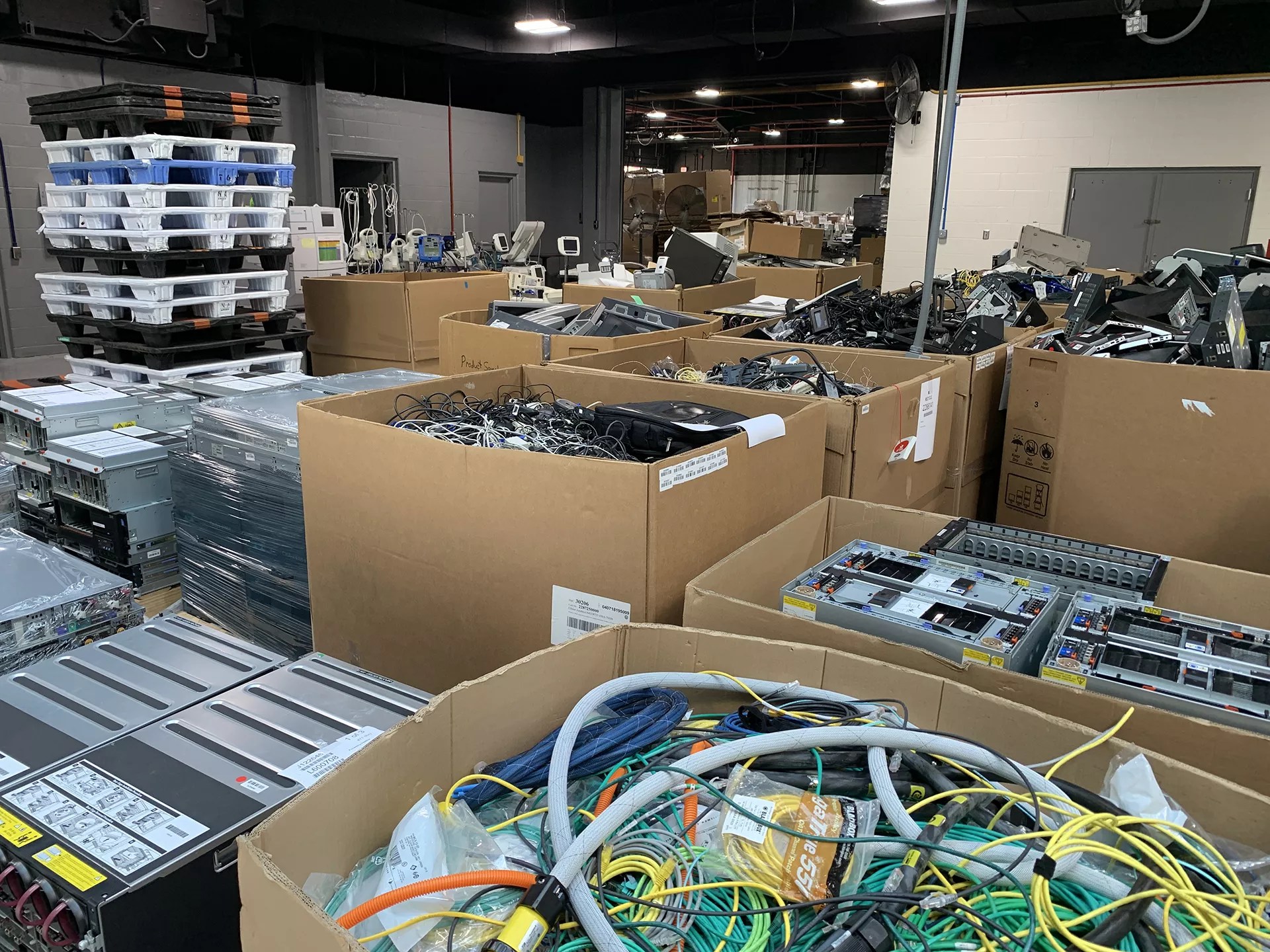
Electronic devices accepted at the event include the following: Desktop and laptop computers; LCD monitors; mobile devices such as smartphones, cell phones, and tablets; data storage devices; networking devices (routers, switches, hubs); printers and fax machines; and peripherals such as keyboards, mice, and docking stations. Items NOT accepted include CRT monitors and televisions, light bulbs, medical or laboratory equipment, household appliances, or bulk batteries. For complete list of acceptable, and not acceptable items, visit MCPc.com/zoo.
“Our partnership with MCPc has been nothing less than extraordinary. We love to see local businesses invest in the community through education and support and we are thrilled to have the MCPc truck at Cleveland Metroparks Zoo and do our part to encourage responsible and sustainable recycling of old electronics,” says Dr. Chris Kuhar, Cleveland Metroparks Zoo Executive Director.
For more than two decades, the Metroparks Zoo has worked with the Dian Fossey Gorilla Fund International (DFGFI) and University of Rwanda, investing in the next generation of conservation leaders through training and education, and supporting the rangers who guard and study gorillas in Rwanda and Democratic Republic of Congo.
This article appears in Sep 8-21, 2021.
